01
Hero
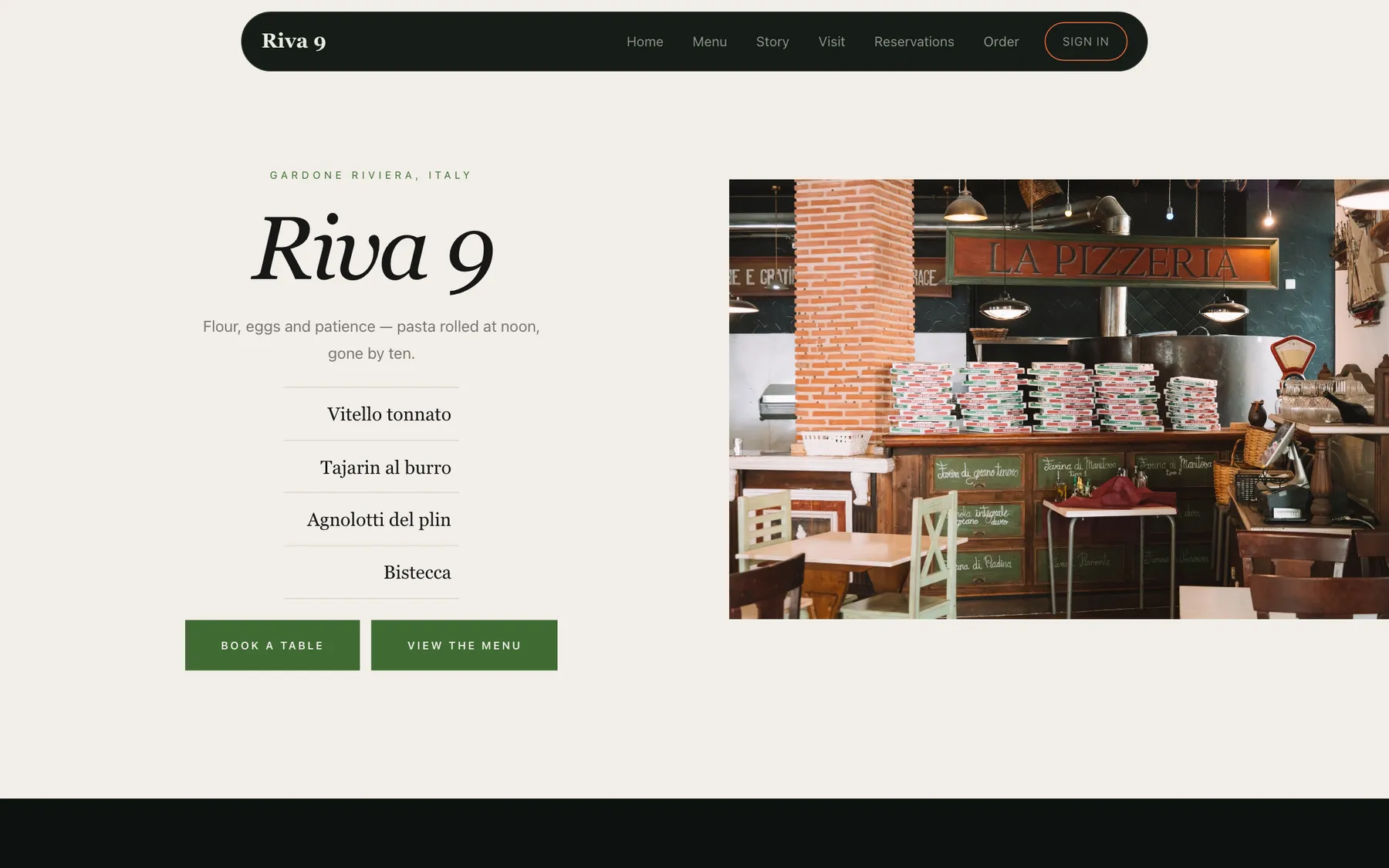
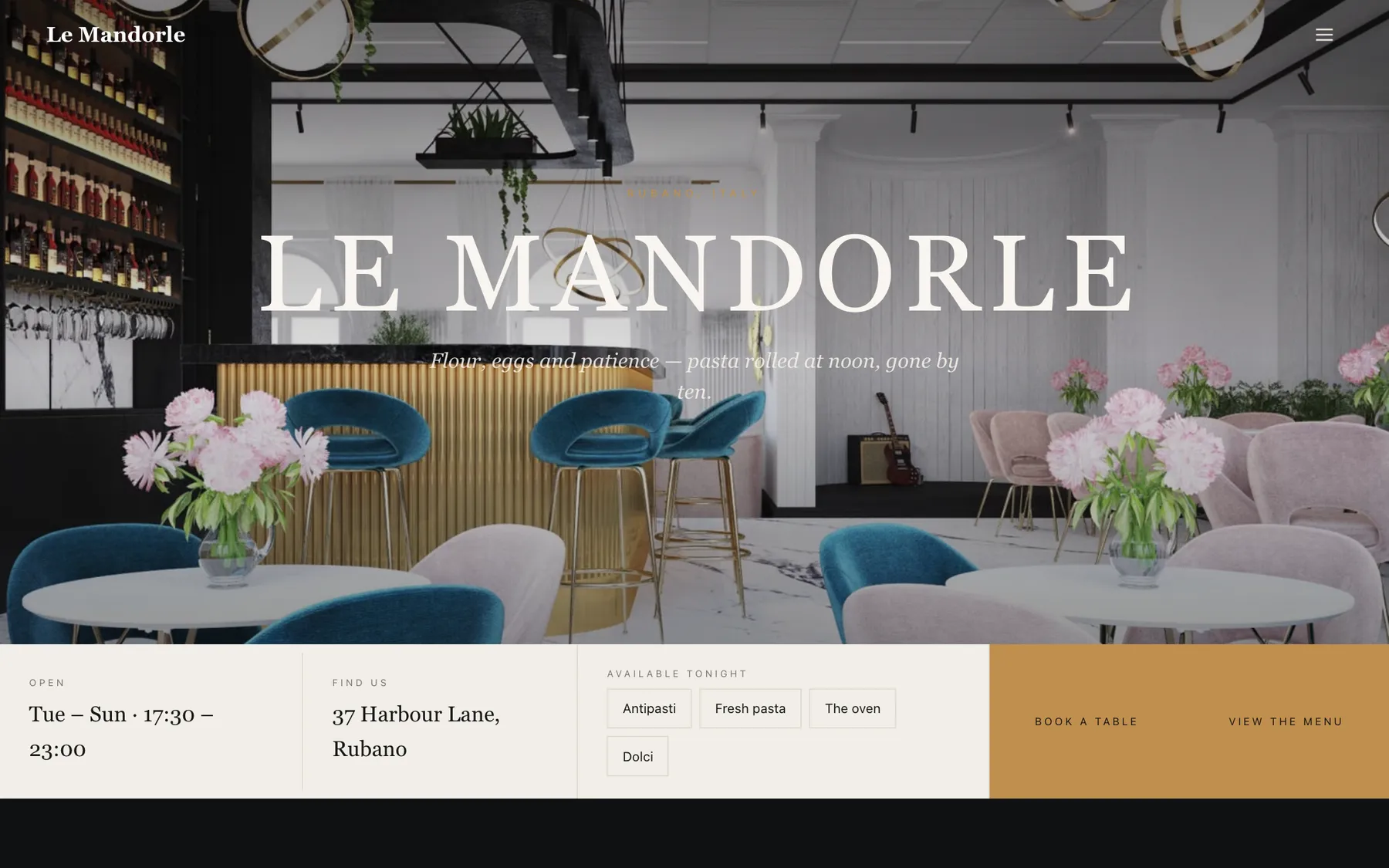
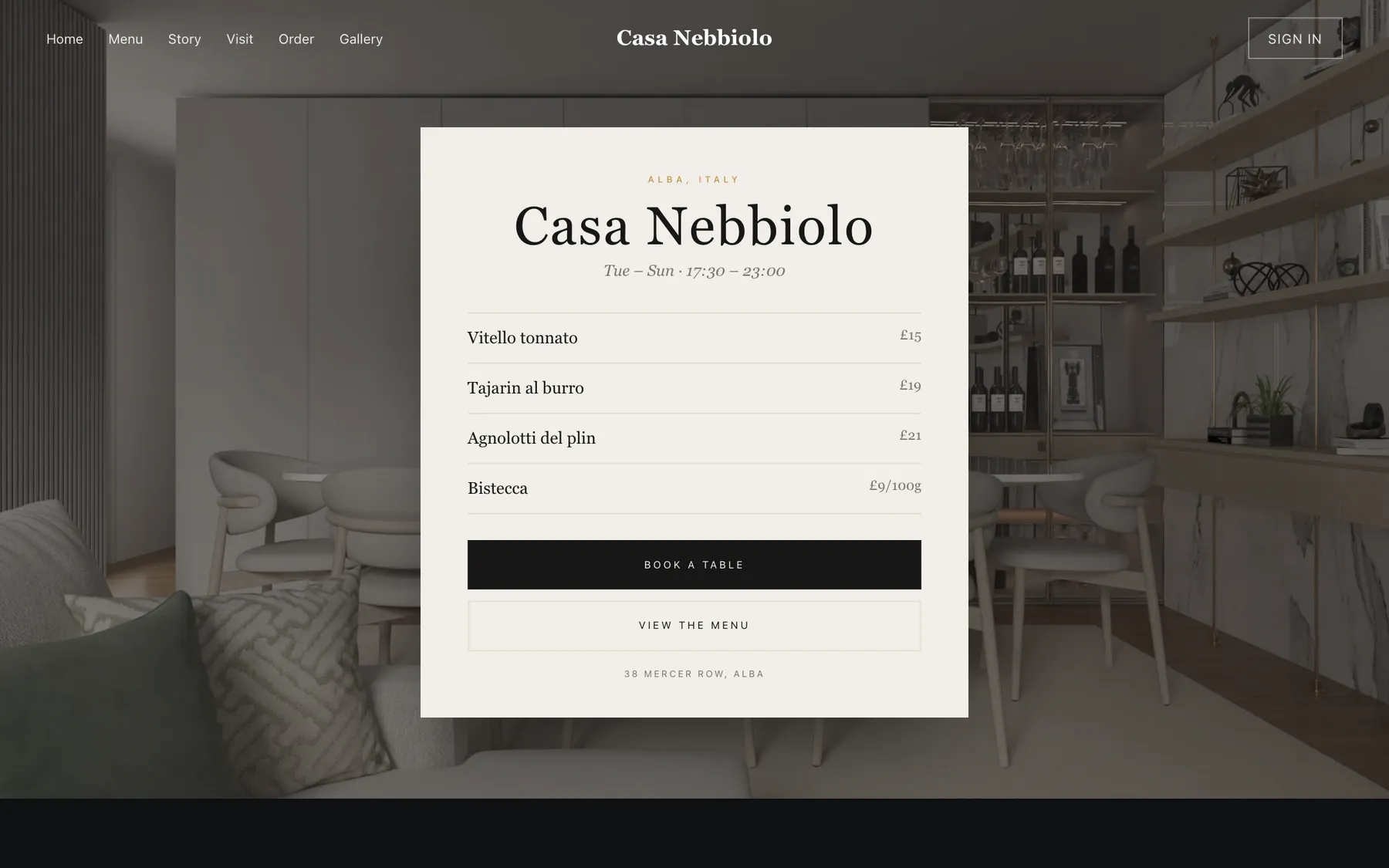
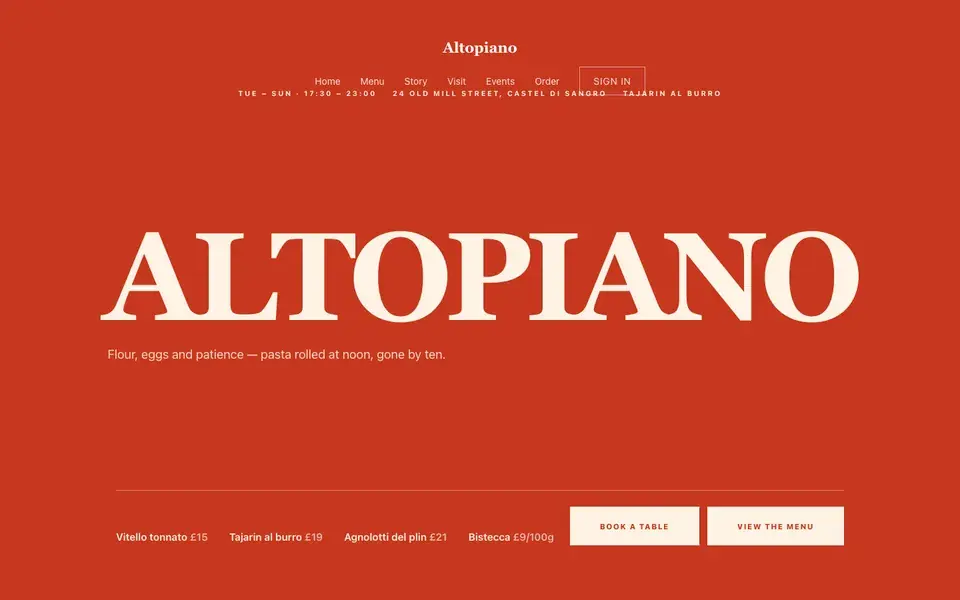
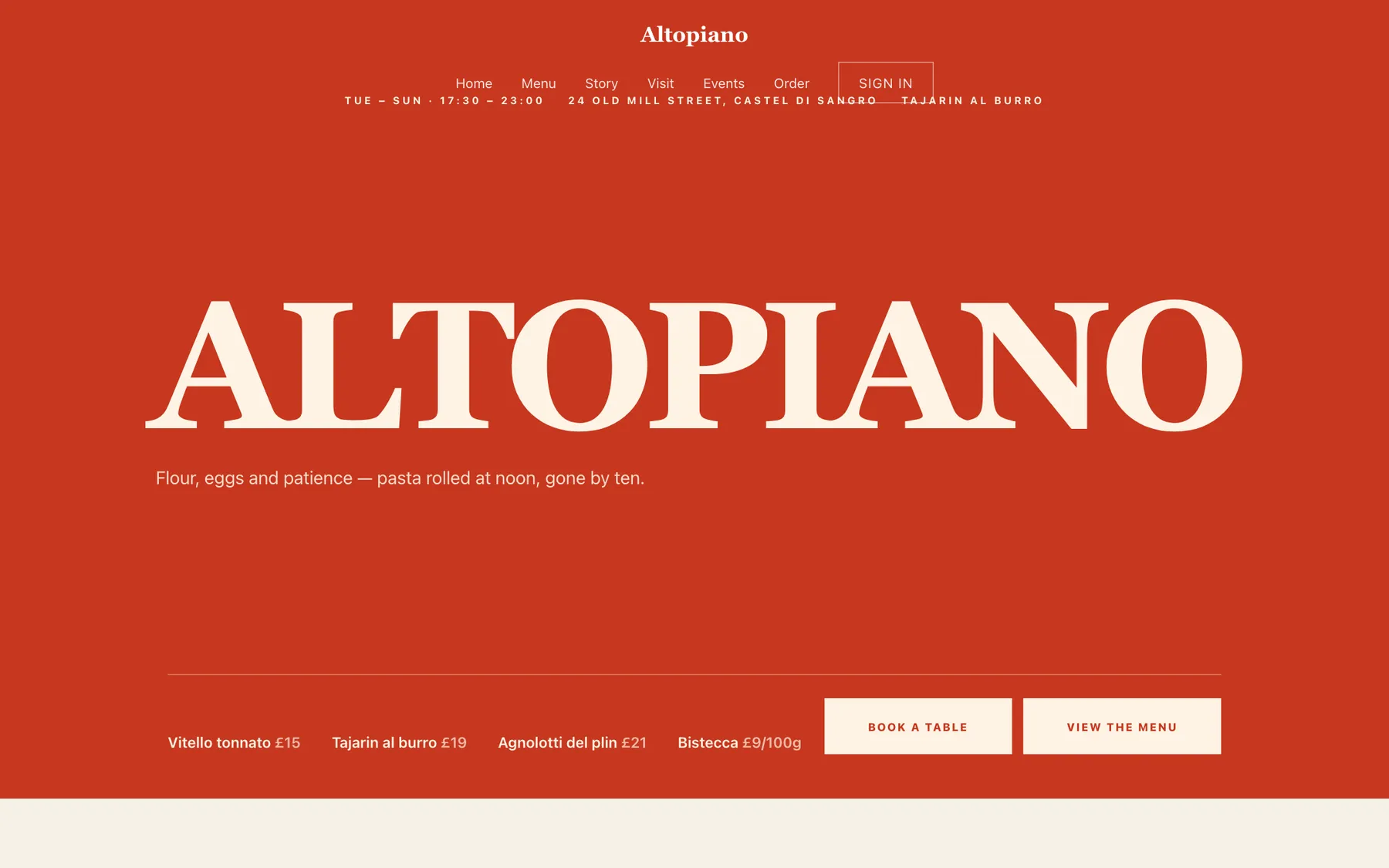
Big opening image, name & buttons, in the Stagger treatment: Three staggered frames with the name set vertically on the spine.
Templates · Contemporary Italian (Abruzzo)
For kitchens in high, quiet places: a warm paper template with an oven-poster opening, a rail-based menu, and a design that makes remoteness read as a reason to come rather than an obstacle.
Every section is a builder module you can reorder, edit or delete, with no developer.
On bookings and orders, on every plan. Stripe’s standard card-processing fees apply to online payments.
Build and preview the whole site for nothing, and pay only when it goes live.
Starter is £19/mo excl. VAT and includes a complete restaurant website, a live structured menu, enquiry and newsletter forms, and managed search readiness. Growth is £39/mo excl. VAT and adds direct live bookings, a custom domain with managed SSL, and table and floor-plan operations. Full is £69/mo excl. VAT and adds online ordering and multi-site management for up to five restaurant sites. TableSpark commission is 0%. Stripe's standard card-processing fees apply to online payments.
That is the whole website and the whole system, at the best value on offer to an independent UK restaurant; the full cost comparison has the figures. A bespoke build costs thousands and takes months; this one is already designed, and you can publish it this afternoon. And it stays yours to run: change a price at four in the afternoon and it is live before service. Every template is optimised for phone, tablet and desktop, and the plans carry reservations, tables, ordering and management — with 0% TableSpark commission.
Altopiano is warm plaster with a terracotta that belongs to a bread oven. Yours might be white tile and morning light, or brass and candles, or something nobody has built yet.
The controls beside the frame are not an illustration of the Theme tab — they are the Theme tab, driving the same engine that publishes real restaurants. Press whatever you like; nothing is stored and nothing is signed up for. Go on.
Loading the live preview…
A restaurant an hour from anywhere has to answer a different question than a city one: not “why you” but “why the drive”. The design answers it structurally, leading with what comes out of the oven and following immediately with the practical detail a guest planning a journey needs.
The palette is plaster and terracotta, warm and unhurried, and the type is a soft serif with a plain sans. It reads as a converted building rather than a design project, which is exactly what a mountain restaurant is selling.
Eight blocks, arranged for someone deciding whether to drive:
01
Big opening image, name & buttons, in the Stagger treatment: Three staggered frames with the name set vertically on the spine.
02
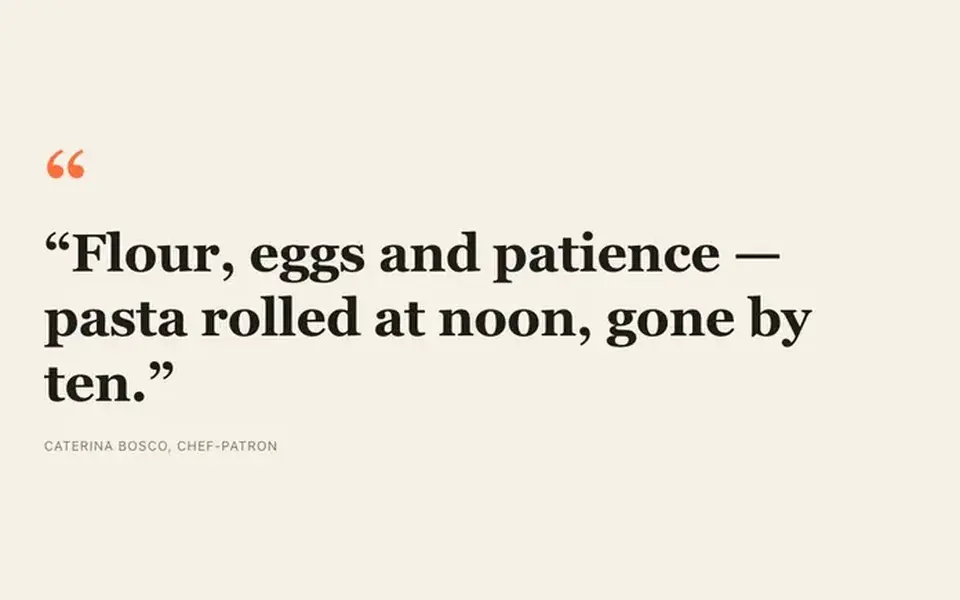
A large standout quotation.
03
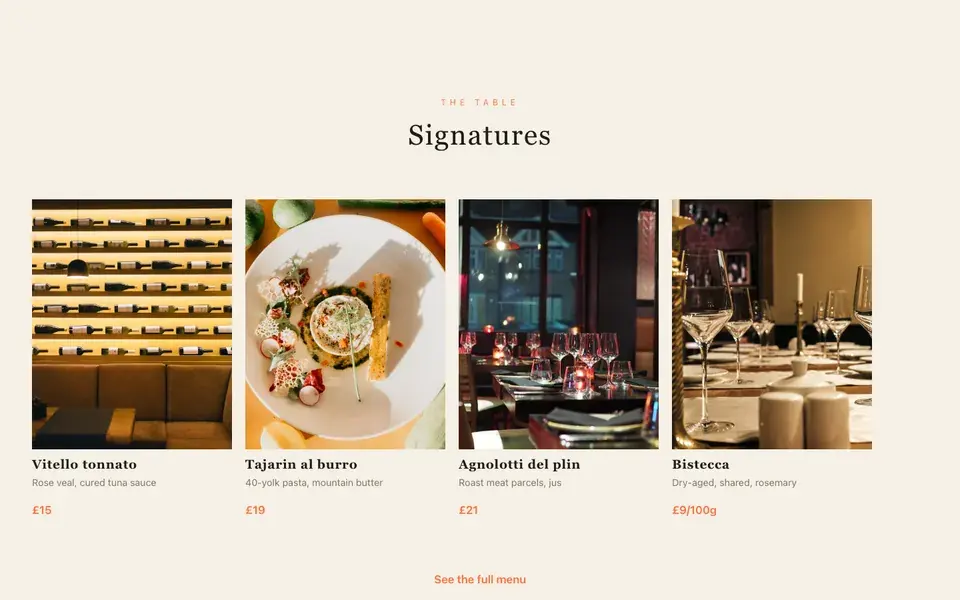
A few dishes on a sliding rail.
04
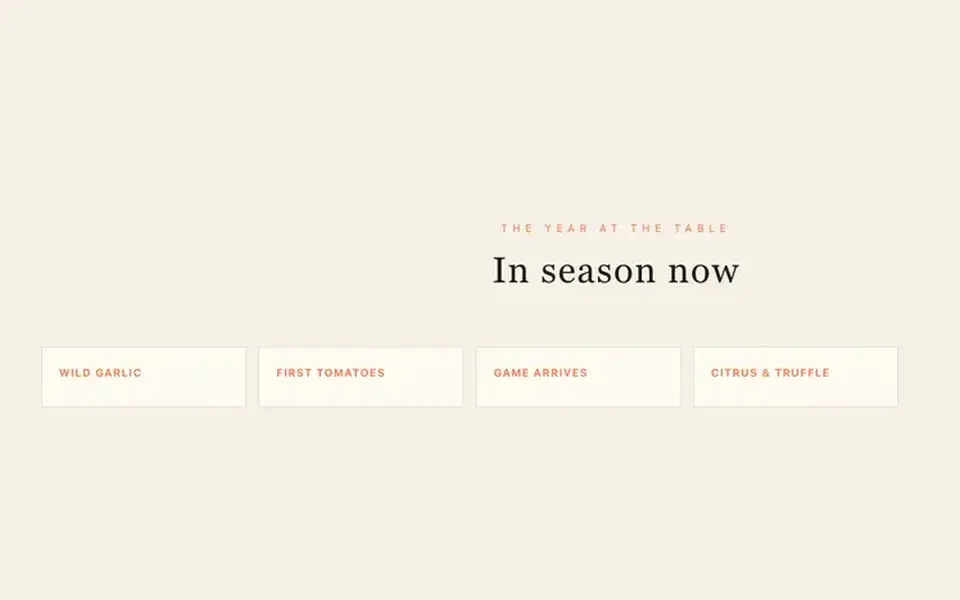
What each month or season brings.
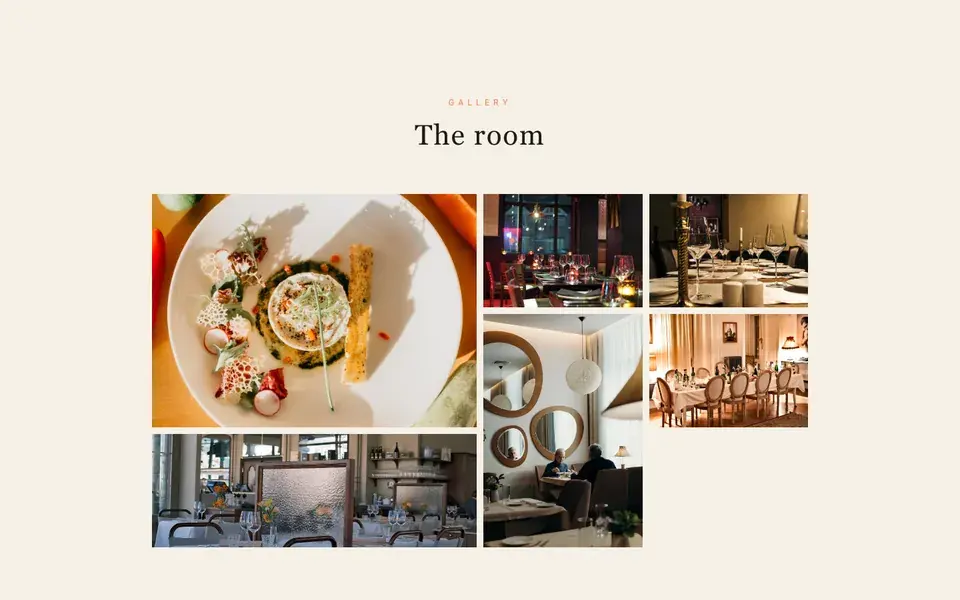
05
Grid, masonry or moving strip.
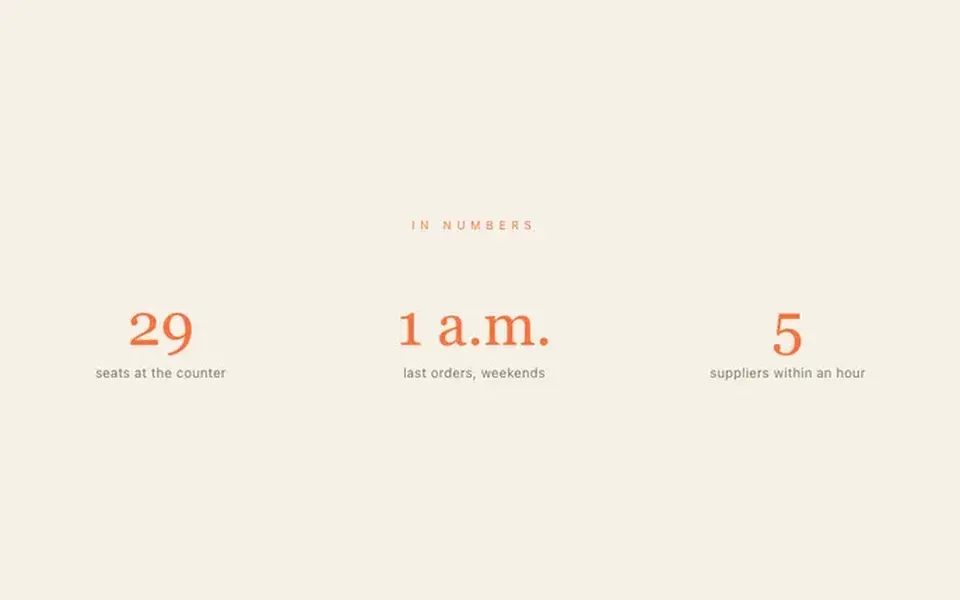
06
Headline stats.
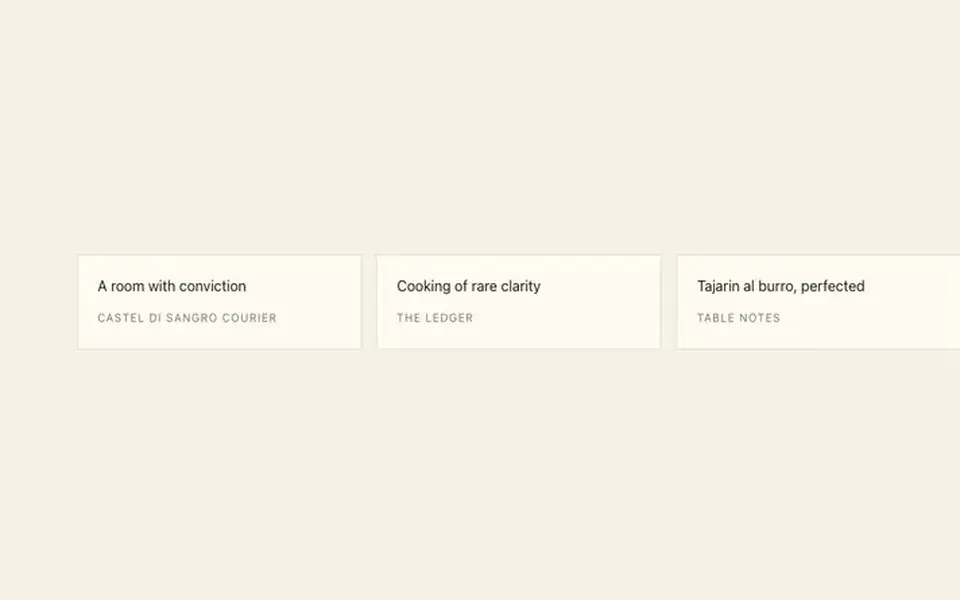
07
Press mentions or awards as a ruled band.
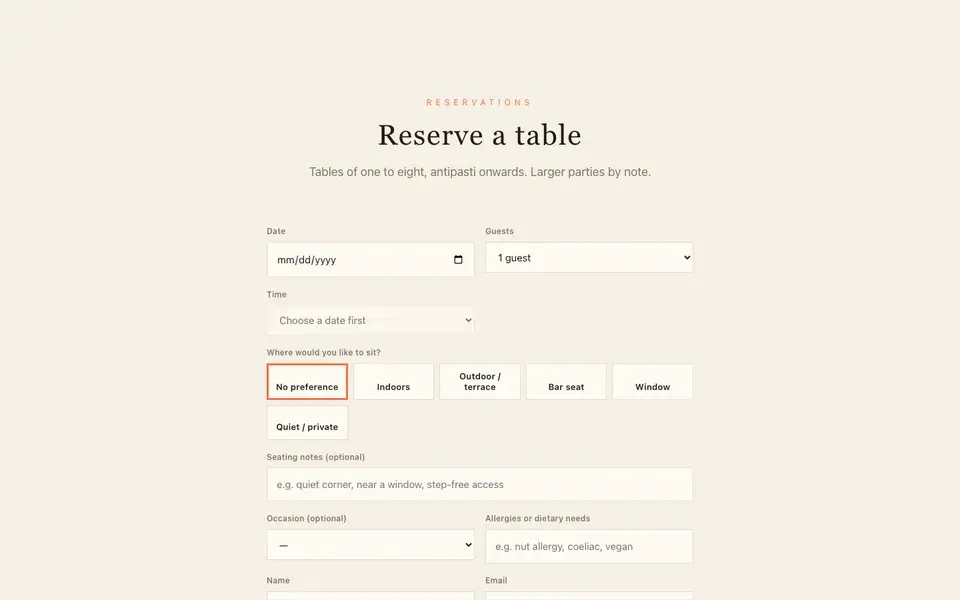
08
Live availability slot picker, saved to your Inbox.
09
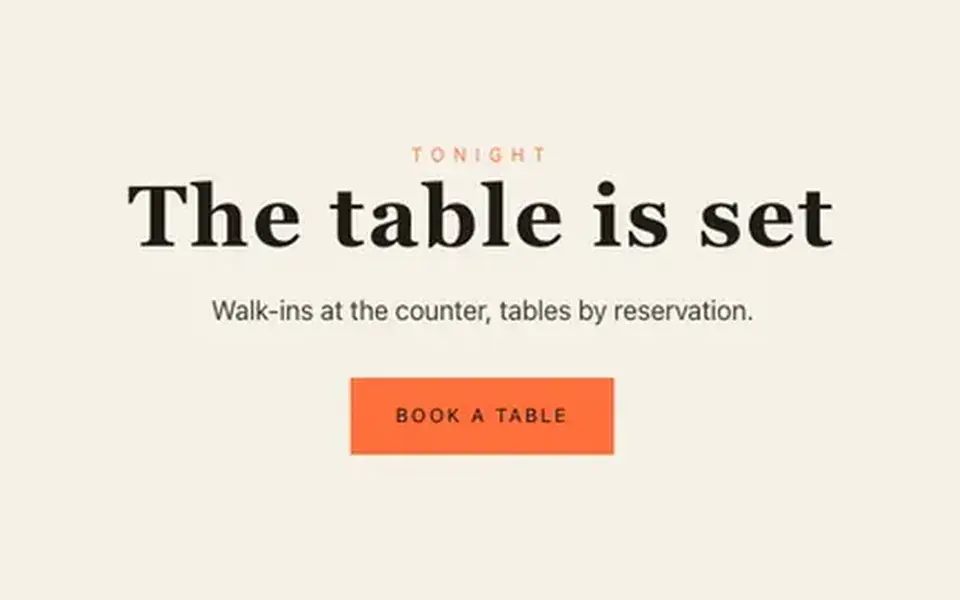
Headline + button band.
Loading the live preview…
Altopiano uses the Folio ordering layout — the list sits beside a tall photograph of each section’s signature dish.
It reads like the delivery apps your guests already know, except the restaurant keeps the relationship and the money. The basket stays on screen, and each mode asks only for what it needs: a table number, a phone number or an address.
Loading the live preview…
This is the frame that matters. It is the real ordering page at a real phone width — not a mock-up, not a video.
On a laptop the same page puts the basket in a panel beside the menu that follows the scroll.
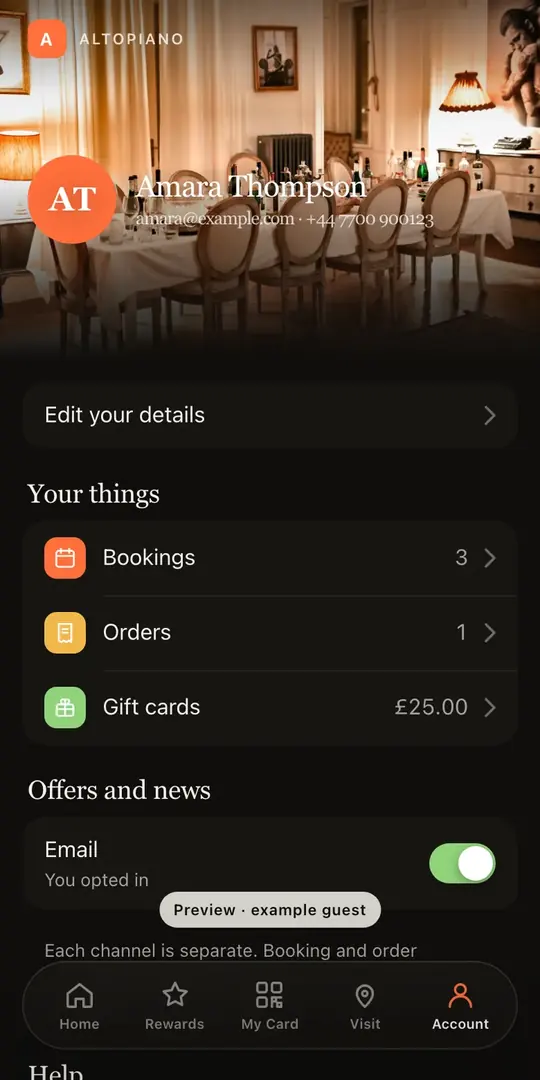
Every Altopiano site on Growth and Full ships with an app your guests keep. It lives at /account on your own domain, so the guest signs in to your restaurant, not a marketplace.
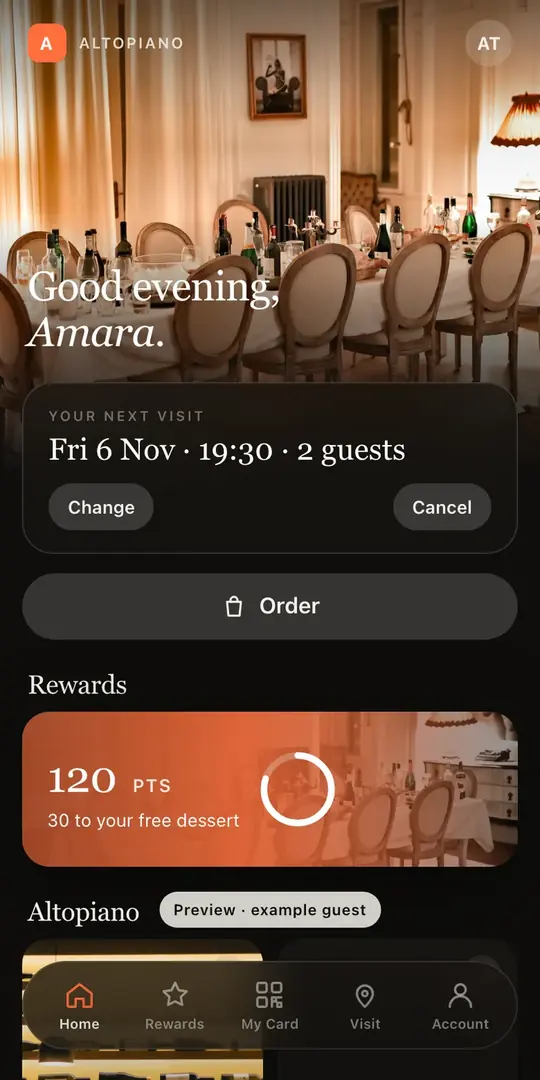
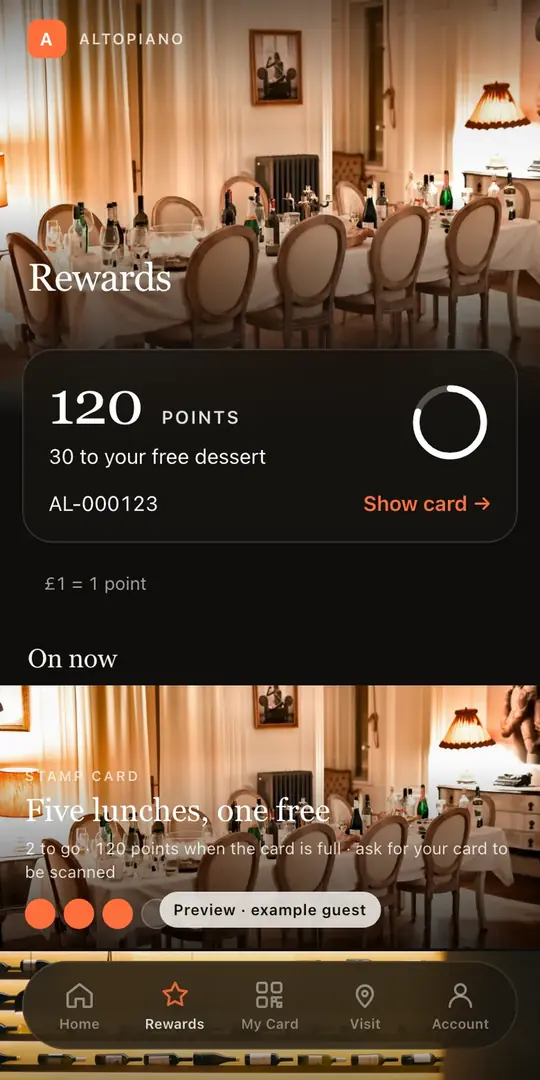
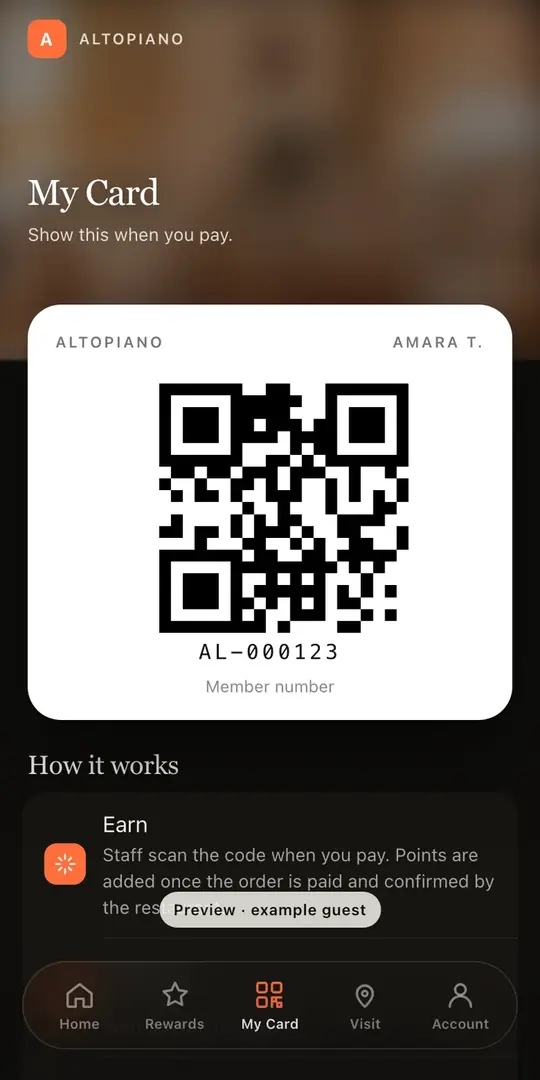
Included on the Growth and Full plans. Watch the Guest App course
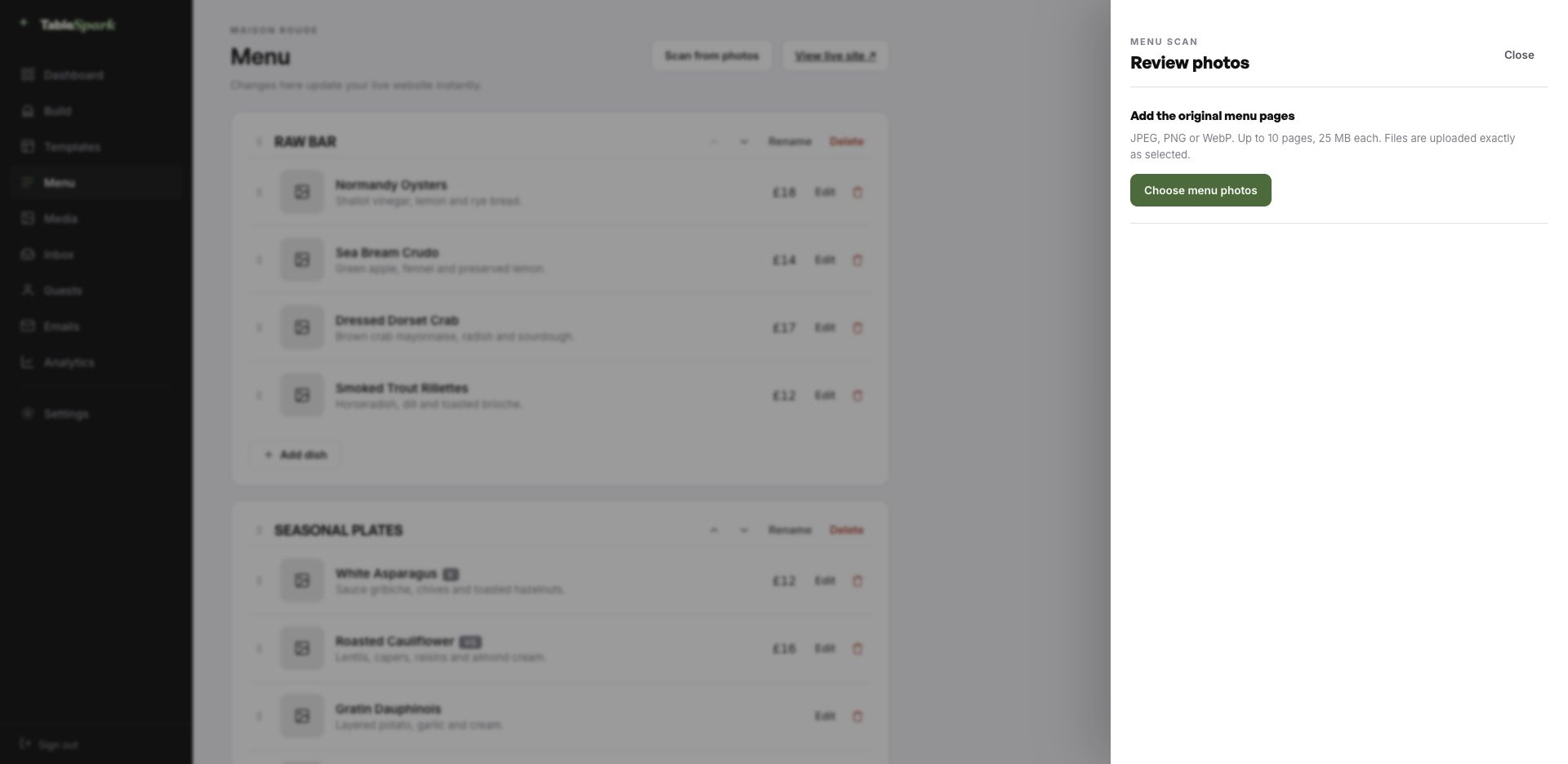
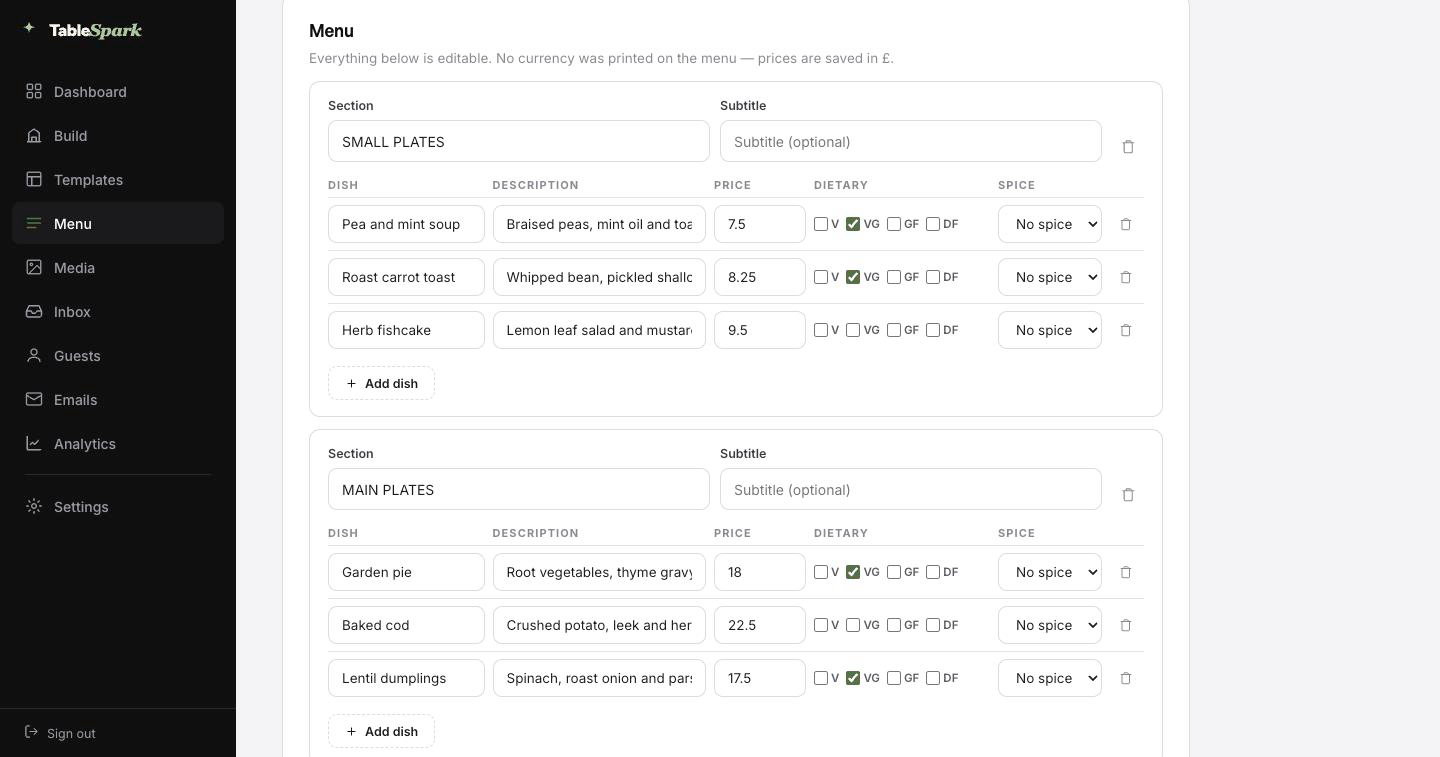
Nobody starts a website looking forward to retyping ninety dishes. Point a phone at whatever your menu currently lives on and send it over. The AI turns it into sections, dishes, descriptions and prices, and picks up the dietary marks and heat levels it can see. Read it back, adjust anything the photograph fumbled, and that is the menu built.
A photograph of a menu is decoration; a structured menu is infrastructure. From there the same data runs the menu page, the ordering page, the highlights on the home page and the Restaurant structured data a search engine reads. Change a price once afterwards and all of them follow.
And the fields nobody enjoys writing — the search title and description — are drafted by a Write with AI button that reads the page first. The AI writes the first version; you decide whether it is the last.
The card, the board, the sheet by the till. Ten pages at a time.
Sections, dish names, descriptions, prices, dietary and heat marks, all editable.
Menu page, ordering page, home-page highlights and the Restaurant schema — because they share one menu.
You are not commissioning a website; you are moving into one. The site works from the first second — it simply has the wrong name on the door. One sitting covers it — and the second it is live, the booking form is taking reservations. It lands in the inbox with the party size and the time, and the guest is confirmed by email at once.
Attach your own Stripe account and the site can charge for orders and hold deposits on tables — the funds are yours from the start. We take 0%. Not on the first order, not on the thousandth. Stripe’s standard card-processing fees apply to online payments.
Step 01
1min
Pick AltopianoThe whole site copies into your account, menu and all.Step 02
4min
Change the name and the wordsClick any block and type. The restaurant name propagates everywhere.Step 03
3min
Upload your menuPhotograph it and let the AI build the sections, dishes and prices.Step 04
1min
PublishYou are live on your address. Bookings work immediately.Step 05
1min
Connect StripeNow you can take deposits on tables and payment on orders — direct to your account.In all
10min
From template to taking paymentsFive steps, one sitting.The web address is something guests read aloud, so it should sound like you. You can be live before lunch on a TableSpark address and on your own domain by the weekend, with no rebuild in between.
Everything fiddly about a domain — SSL, renewals, bare-domain redirects, canonical URLs surviving the move — is managed on your behalf. Already own the name? Keep it — you get the exact record to update, in plain English.
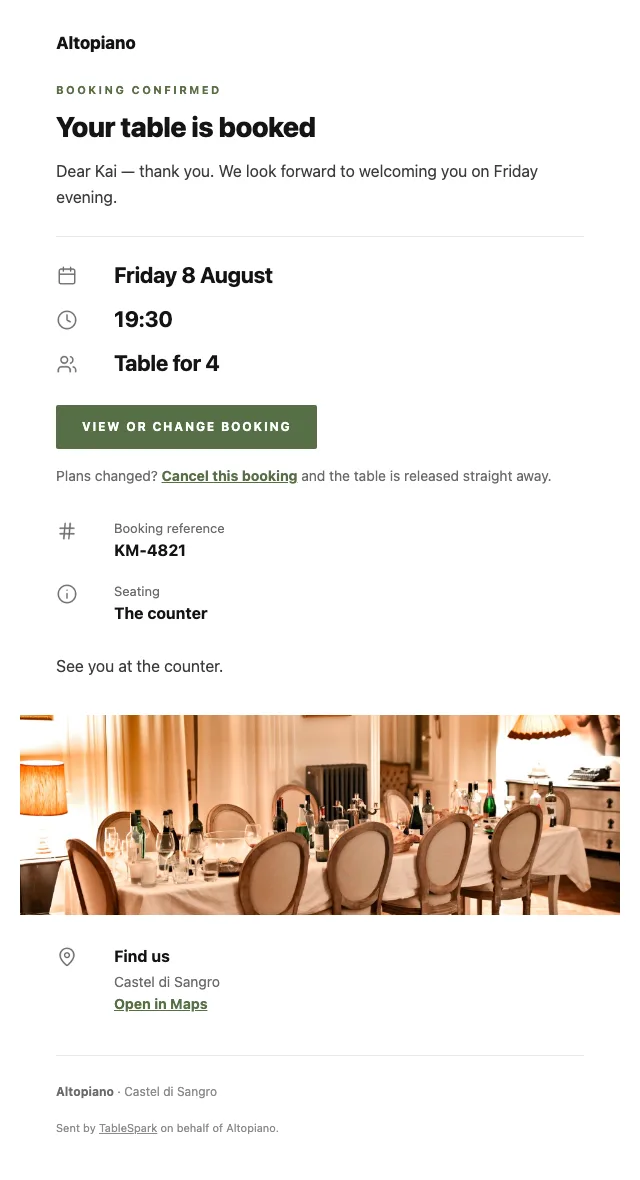
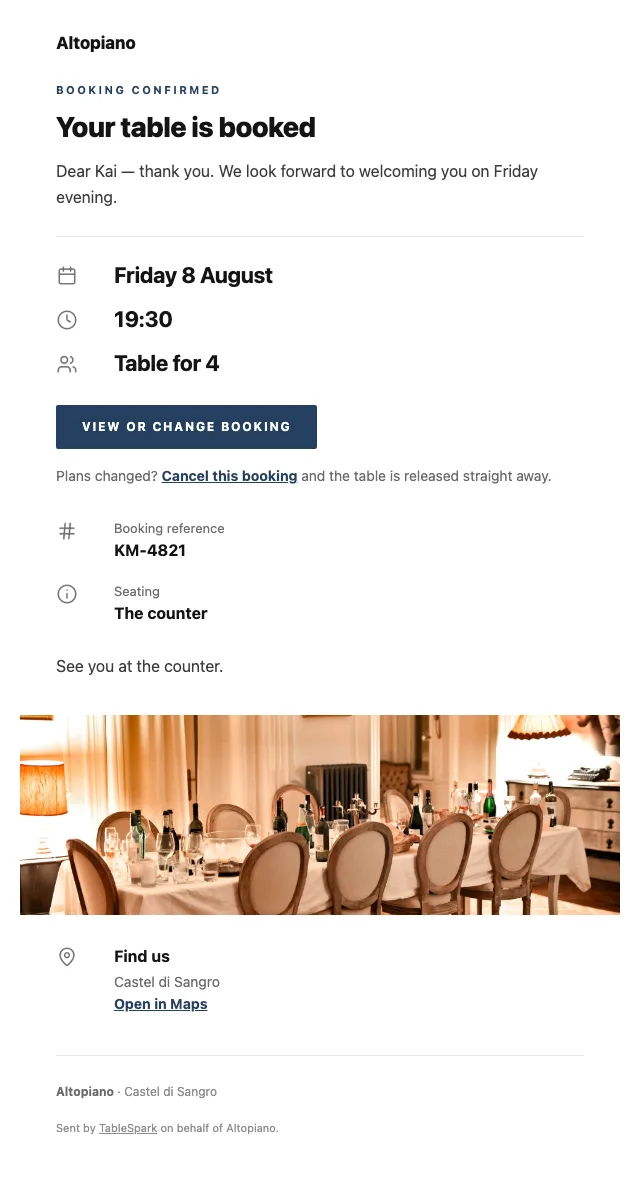
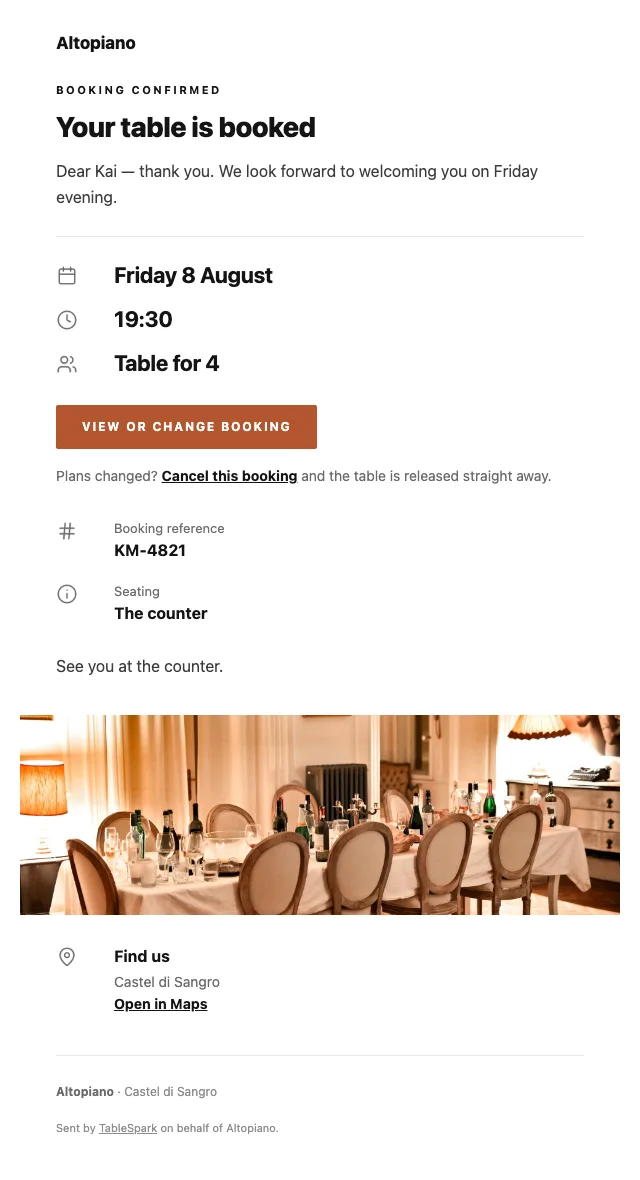
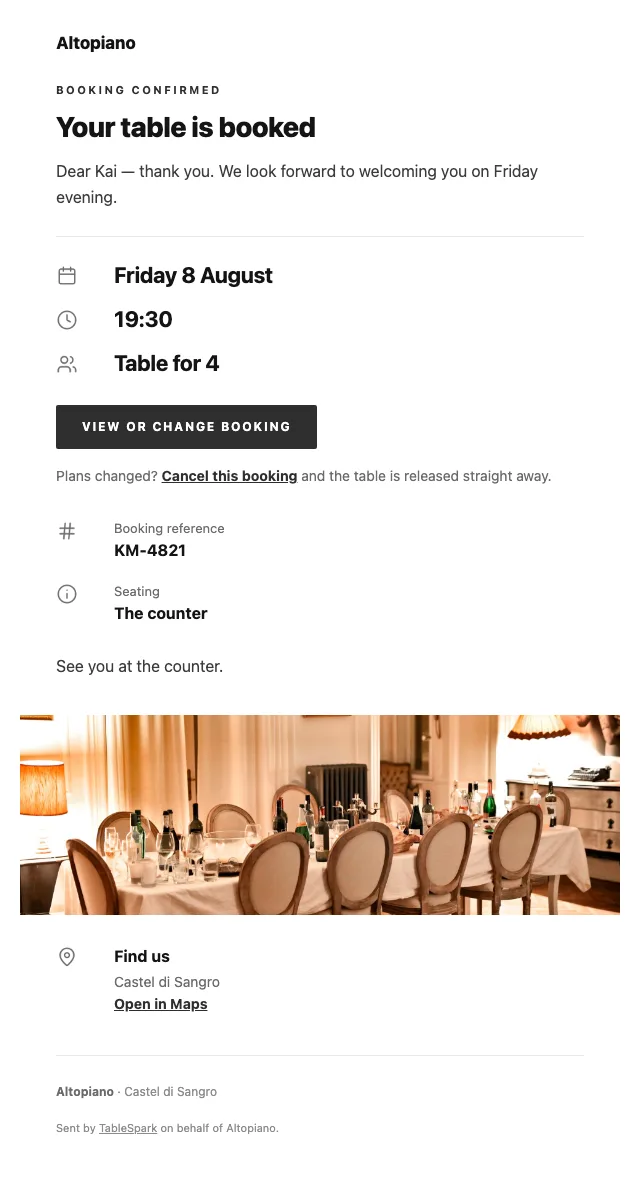
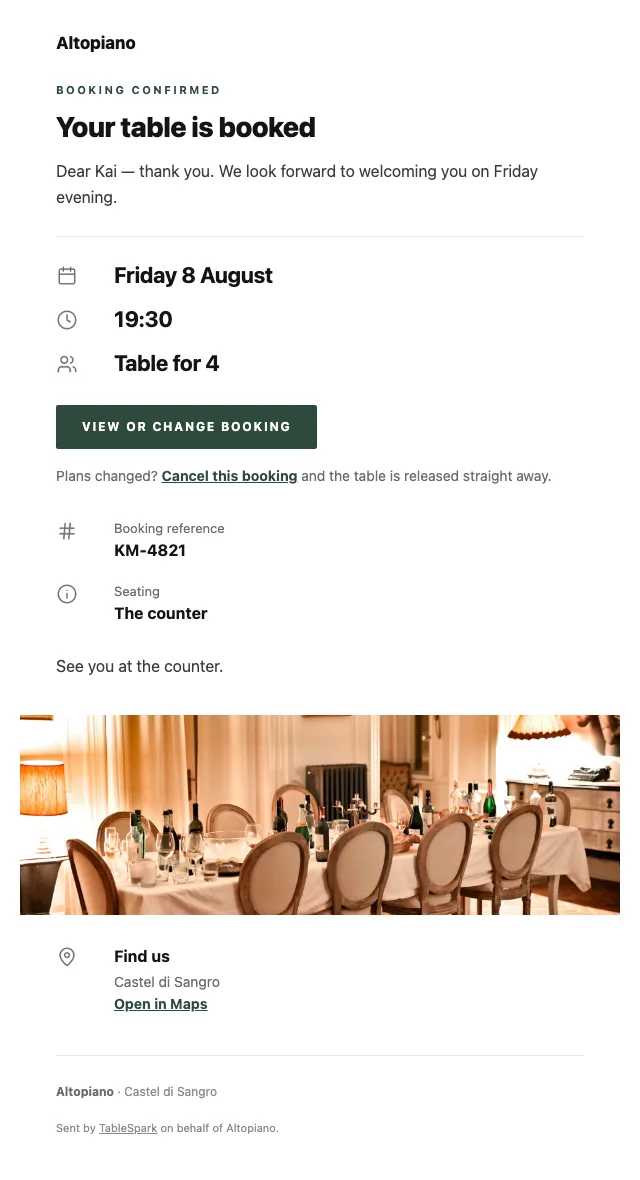
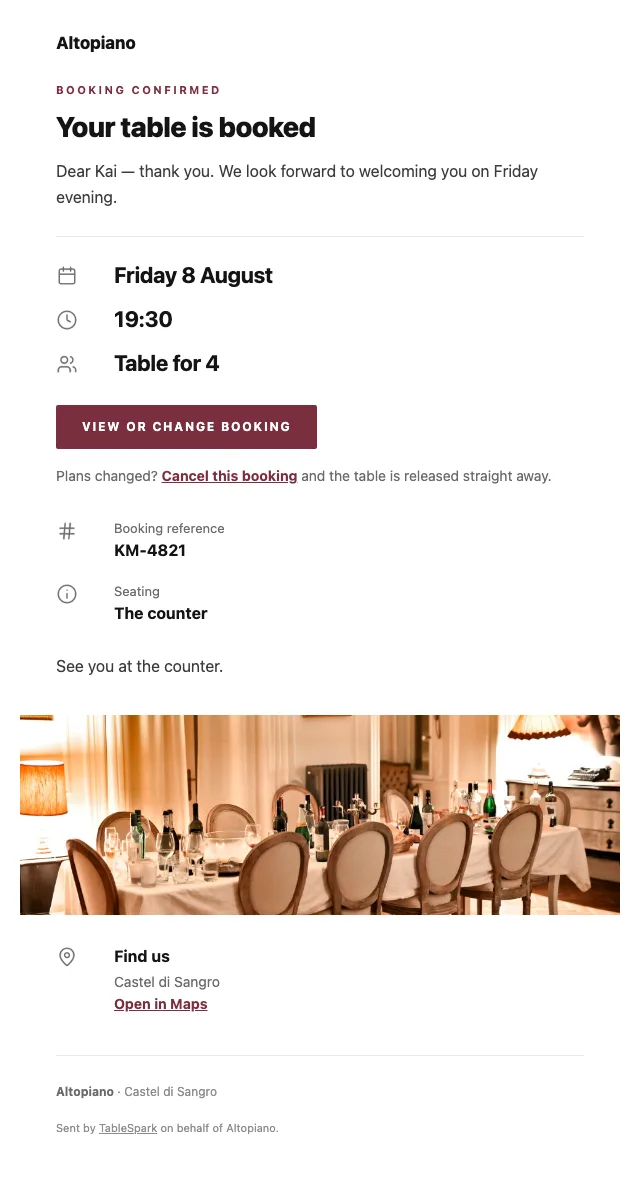
The email that follows a booking is read more carefully than any page on the site. As soon as a table is confirmed, the guest gets an email in your name carrying the date, the time, the number of covers, your address, your phone number and a way to cancel cleanly. Reminders, receipts and cancellations follow the same treatment, so nothing looks bolted on.
It carries your restaurant, not our branding. Pick one of six templates, then set the accent, the logo, a cover image, how the header sits, the sign-off line, your links and your social marks. When your domain is connected the mail is sent from your own address, which is also what keeps it out of a promotions tab.
Below, the same booking confirmation in six of the accent colours you can pick.
Being published and being findable are two different things, and only one of them happens automatically. The usual culprits are mundane: a robots rule nobody removed, two canonicals pointing different ways, orphaned pages, the menu published as a PDF, no structured restaurant data, search verification half done. The cost lands on the restaurant — guests searching your name, your menu or your street reach directories and commission-charging marketplaces first, and you end up paying for the traffic you should already own.
All of that is finished before you arrive. Search results are not something anyone can promise you. A correctly configured site is, and that is what this is.
All of them optional, all of them editable, and more can be added.
Each of these is a module from the same set of 70 that every TableSpark site can use, and most have multiple layout options.
Delete, reorder or replace any of them — the page is built, not drawn.
Ships with 4 sections — Antipasti, Fresh pasta, The oven, Dolci — for you to overwrite.
Our cut is zero, permanently. The alternative is a platform that charges you for each order and then owns the guest.
Your domain, your inbox, your exportable guest records. Stripe’s standard card-processing fees apply to online payments.
See what 0% commission is worth over a year
You bring the menu and the last word. TableSpark brings the typing, the fields and a first draft of the search copy.
Nothing goes live on its own.
Search engines Il Menu — Altopiano | Abruzzo Mountain Italian cooking at altitude: seasonal menu, bread from the oven, and how to find us.Drafts the search title & description from this page’s content. Always review before publishing.
Stripe’s standard card-processing fees apply to online payments.
How to set a booking deposit that guests accept
Make the entire site, sleep on it, start again if you want. Nothing is charged until you publish.
Make the entire site, sleep on it, start again if you want. Nothing is charged until you publish.
7 pages, and every one of them is here. Everything below is rendered, not photographed. The frame uses the same engine as a published site, so the tabs and the in-page links are all real. Phone shows the mobile layout.
The story page carries the building, the family and the valley — narrative, timeline, interview, gallery. The events page handles the cookery days and seasonal dinners a destination restaurant runs, and the visit page does the real work of explaining a road that a map alone cannot.
The menu runs on rails, giving each section a swipeable strip of dishes. For a kitchen with a short, deep menu that changes with the season it shows everything at once without a long scroll.
Seasonality is the argument here, and the section subtitle is where it goes — the month, the altitude, what is available. Set menus sit alongside as their own block, which is how a tasting menu and a shorter carte should appear together.
Whatever the arrangement, the menu is text and not a picture — every dish, description and price indexable, with Restaurant schema around it.
The chip-bar ordering layout — sections as filters across the top — suits a restaurant whose online sales are a curated few things rather than the whole menu: the bread, the preserves, a hamper.
It behaves like everything else in the library: quantities, inline options, a visible total, and payment into your own Stripe account with 0% taken by us. Stripe’s standard card-processing fees apply to online payments.
Dine-in wants a table number and nothing else; collection wants a number to ring; delivery wants somewhere to go. No mode asks for the others’ fields.
Running a Italian kitchen? See all Italian restaurant website templates.
What owners ask before they pick a template: the cuisine fit, the menu, the address, and what it costs.
Yes, and it is one of the more valuable pages on a rural restaurant’s site. The visit page carries a map, written directions, parking, the season and a “before you come” block for the things a pin cannot say. All of it is text, so it is readable by guests and indexable when someone searches for your village or valley.
The events page holds them, each with its own description, date and enquiry route. Because they are pages rather than social posts, they can be found by search months later, and the enquiry lands in your TableSpark inbox with the date and party size attached.
Every part of it. The Theme tab controls the base skin, the accent, the background, text and surface colours, both typefaces, the text scale, corner radius, motion and the header. Change any of them and the whole site follows, because nothing hard-codes a colour.
Yes, and you do not have to sort it out before going live. Publish on a TableSpark address today; connect your own domain — new or one you have held for years — whenever it suits. The SSL certificate and its renewals, the secure connection, the bare-domain redirect and the canonical, sitemap and robots signals are all managed for you, so search visibility survives the change. The same domain can send your guest emails.
An instant confirmation on your behalf holding the booking details, your address and contact number, and a link that releases the table if something changes. The reminder before service, the deposit receipt and any cancellation notice use the same design — and that design is yours: six templates, your accent, your logo, a cover photograph, three header treatments, your own sign-off, your links and your socials. Once your domain is connected the email sends from it.
None at all. The whole site is blocks you click and edit — text in place, photographs uploaded, sections dragged into a new order. No HTML is involved on your side.

The whole site copies into your account in one click. Change the words, upload the menu, publish. Free until the moment you go live.