Bookings, menus, online ordering, search. Written by the people building the product, between services.
An image-only menu can block text resizing and text-to-speech, leaving guests unable to read key details and restaurants exposed to avoidable service risk.
A guest can reach checkout without clear allergen information, then receive a different answer with the order. Build one reliable two-stage check.
A new restaurant event can miss the guest journey while an expired one still looks bookable. Use a dated publish, guest-view and expiry check.
A booking email can confirm a table without authorising promotions. Mix the two, and a routine guest record can become a PECR compliance risk.
A late-night ordering window can accept a hot-food order that cannot be supplied in time, creating guest disputes, staff rework and licensing risk.
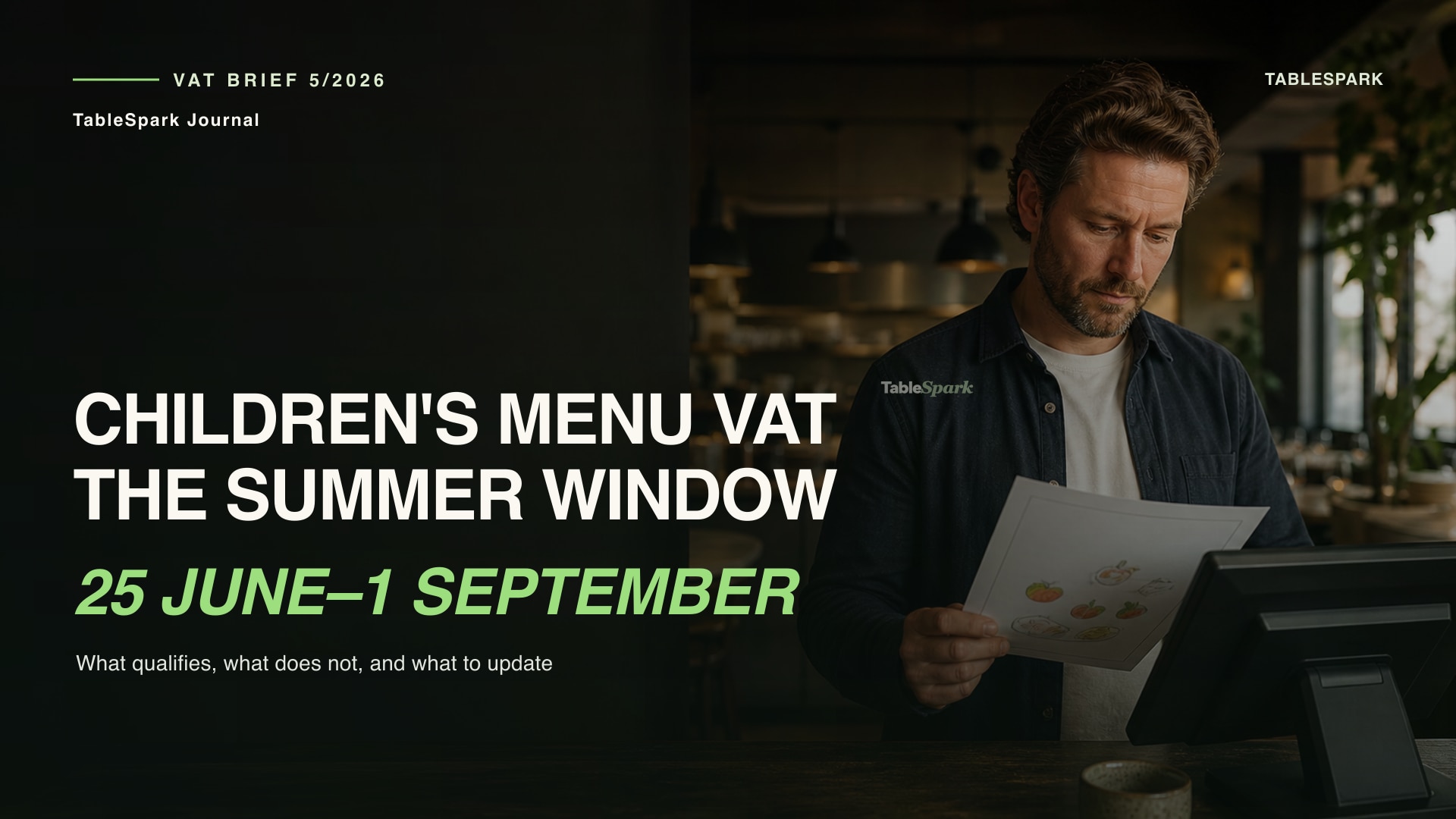
A short VAT window can leave children's meal prices and treatment out of step across menus, websites and tills. Check the scope before service.
Private-dining enquiries lose momentum when details, ownership and follow-up sit in different places, leaving valuable group business unresolved.
When a dish sells out but stays orderable online, the next order can trigger a substitution, refund and avoidable guest call during service.
Orders taken against old dishes or closed service times can force staff into guest calls, substitutions and refunds while the kitchen is already busy.
A low headline can become an annual subscription, a charge on every card payment and a separate bill for the rest of the restaurant operation.
Five-star incentives can distort restaurant reviews, trigger platform action and raise consumer-law risk when staff blur asking with manipulation.
Booking, dietary and marketing complaints can expose scattered guest records and missed deadlines before a restaurant establishes what went wrong.