Bookings, menus, online ordering, search. Written by the people building the product, between services.
An England micro-firm restaurant risks reaching 31 March 2027 without a confirmed food-waste collection, workable bins or clear staff instructions.
Restaurant structured data can remain technically valid while describing the wrong entity, address, hours or canonical identity.
A fake restaurant site can copy a venue’s identity, divert guests from the genuine route and leave the owner preserving evidence under pressure.
A POS connection can be live while wrong names, variants, prices, availability or tax fields reach the public menu.
A restaurant can switch on online food sales before confirming the registration timetable, creating an avoidable go-live compliance risk.
An exposed guest record can leave a restaurant unsure what happened, who is affected and whether the ICO reporting threshold is met.
A booking reminder can be enabled yet fail before reaching the guest, leaving staff without dependable delivery evidence.
A reservation message can look genuine yet fail authentication, leaving confirmations quarantined or a restaurant domain open to convincing spoofing.
An allergy note can reach the booking record yet miss the kitchen and server, leaving staff unprepared for a safety-critical guest conversation.
A free-from or vegan menu label can outlive the evidence behind it, creating a dangerous mismatch between the public promise and the kitchen.
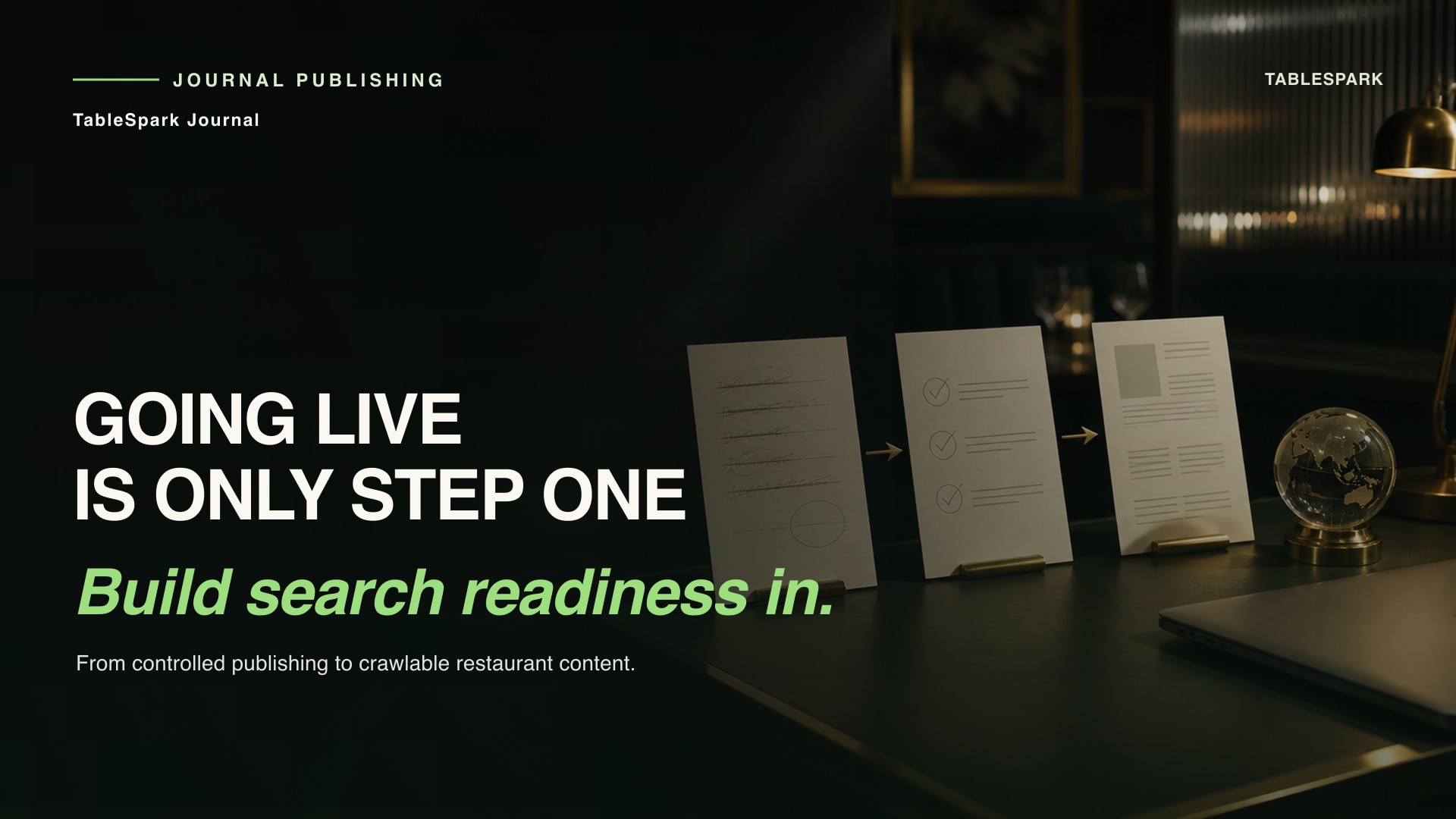
A time-sensitive restaurant update can be stale before an external publishing queue clears, and a page can be live without being ready for guests or search systems.
A new restaurant address can look ready in the editor while a guest reaches a warning page or a different version of the site. Prove the connection before announcing it.